


Sir Anthony Absolute: Madam, a circulating library in a town is as an ever-green tree of diabolical knowledge! It blossoms throughout the year! —and depend on it, Mrs. Malaprop, that they who are so fond of handling the leaves, will long for the fruit at last.
Richard Brinsley Sheridan, The Rivals
Fredrik – “Black Fur”
Na Na Ni
A rhythmic and harmonic little anthem. I keep thinking I remember how it sounds, but then it surprises me with little flourishes or jangles. (insound)
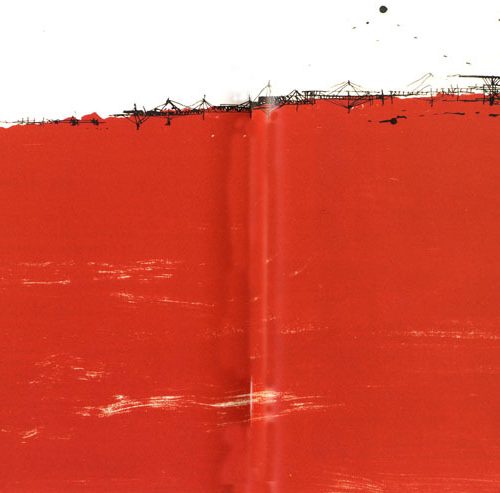
Situationists. Art, politics, urbanism (book cover)
Les Misérables (Victor Hugo, 1862)
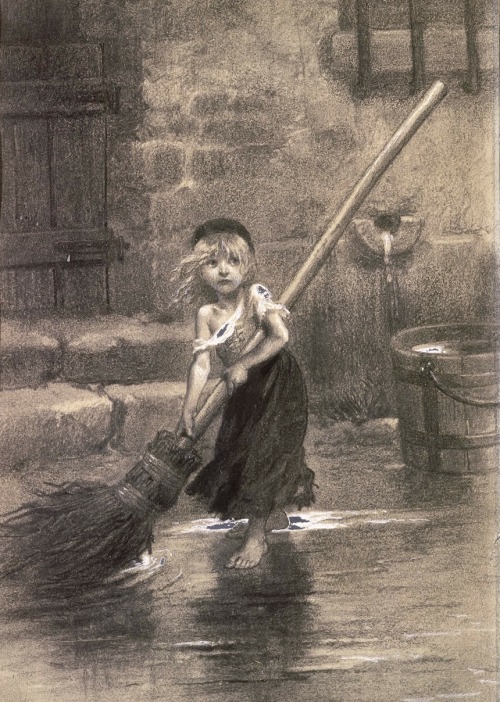
“To write the poem of the human conscience, were it only of a single man, were it only of the most infamous of men, would be to swallow up all epics in a superior and final epic,” writes Hugo. And, although he perhaps did not aim to eclipse all previous literature with Les Misérables, the book is nevertheless a novel of the human conscience (if not the poem). But between the reader and this final epic is Hugo himself, and the book is equally an odyssey within the author as within humanity.
Hugo was called in his time L’Homme Ocean, and it is easy to see why. His depths are unsounded, and his volume immense. Les Misérables is, roughly speaking, equally divided between narrative proper, internal narrative, history, and digressive essay. Every action, every topic, every piece of dialogue in the book is potentially a platform off of which Hugo may launch into rarefied airs, extemporizing on the nature of chastity, or the implications of criminal jargon, or the failings of society as regards orphans, women, civic duty, fashion, honor, or whatever strikes him.
Vocabulary: Mired Myriapod Edition
machicolation: a parapet or gallery with openings through which to send projectiles, oil, etc
uncomatible: literally (and incredibly) “un-come-at-able,” in use as early as the 17th century
zouave: one of a French-Algerian infantry unit known for their vigor and colorful uniforms
enlizement: to become stuck in quicksand, mud, or figuratively in a situation or argument
stercorary: a place for securing waste or manure from the elements (sewer or storage)
barathrum: a pit in Athens into which criminals were thrown; synonymous with hell
praemunire: the offense of unnecessarily seeking an alternative to royal jurisdiction
scolopendra: “a genus of venomous myriapod” – also a mythical fish, per Spenser
tergiversate: to rapidly change attitudes or loyalties, or to be evasive in general
morion: a common Renaissance-period crested helmet (also a type of quartz)
epithalamium: an ode, poem, or song written to commemorate a wedding
excrescence: an outgrowth, animal or vegetable, normal or abnormal
firk: to hasten, rouse, drive, or strike
ochlocracy: mob rule
Tame Impala – “Feels Like We Only Go Backwards” – Lonerism
(Source: https://www.youtube.com/)
Helvetia’s Dream – a captivating time-lapse video of Switzerland. Love the meteor at 0:46.
(Source: https://player.vimeo.com/)
Wye Oak – “Talking About Money”
The Knot
It’s uncommon that I’m exposed to an artist through their latest album, but then find I prefer their earlier work — especially when the latest album is as good as Wye Oak’s Civilian. But The Knot does everything Civilian does, with more variety, grandeur, and power in general. From the setup and punchline of the first two tracks to the unbelievably confident “Talking About Money” to the shoegazer “Mary Is Mary” and triumphant “Tattoo,” there is hardly a misstep on the album and a surfeit of just plain excellent music. (insound)