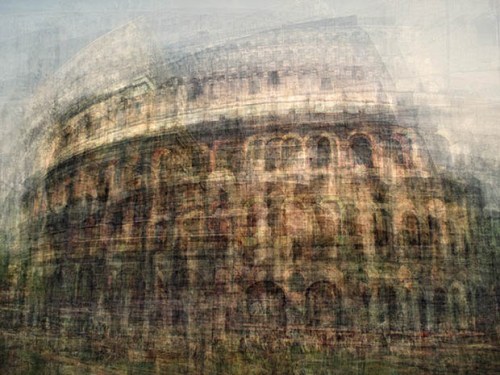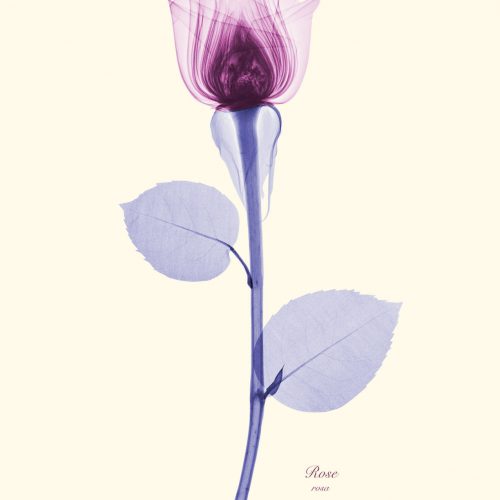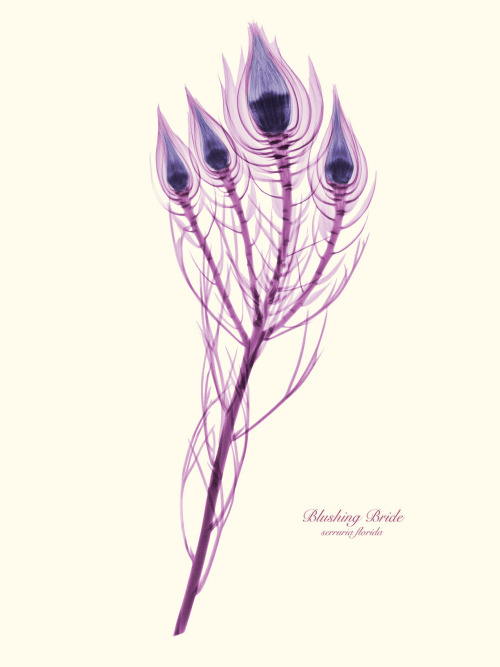
Earthereal, assembled from high-resolution images taken from the ISS
(Source: https://player.vimeo.com/)
Earthereal, assembled from high-resolution images taken from the ISS
Some things are rushing into existence, others hastening to dissolution; and of those which now exist, some parts are already flown off and vanished. The world is renewed by continual change and fluctuation, as time is by perpetual succession. Who then would set any great value on things thus floating down the stream, and of which we cannot for a moment secure the possession? One might as well love a sparrow, which flies by us and is instantly gone out of sight. Such is the life of every man; a mere vapor exhaled from the blood; a momentary breath of air, drawn in by the lungs.
Jonsi & Alex – “Stokkseyri”
Riceboy Sleeps
A rich, contemplative soundscape that manages to faultlessly merge digital and organic tones. Perhaps closest to Sigur Ros’s ( ), but more subdued and blue-grey. (insound)
The first among elegances is idleness.




Olivia Tremor Control – “Holiday Surprise”
Dusk At Cubist Castle
Despite their sound being more ether-soaked psychedelia on this record than the sharp, more abstract Black Foliage, OTC were plenty ambitious with this album. With multiple multiple-part tracks and an entire optional “background” track on a separate CD, this was straight up concept work. But with solid songwriting and an sound that changes so often you can’t help but pay attention, you can take the concept or leave it and it’s still a great record.
(this is a personal announcement, please ignore if we are unacquainted)
In 2007, I was talking with a friend of mine who had recently been hired to write about gadgets and such part-time. It was for a site I hadn’t heard of, CrunchGear, and as there were many such sites at the time, I didn’t think much about it. But I had been doing music reviews on my old blog, Robosexual, for about two years, and thought maybe I could get a little pickup work doing something I was becoming familiar with: writing.
Move forward a year or so, and lo, there I was, quitting my real-life steady job at the beginning of a recession on a bet that my new blogging gig might pan out. Luckily, it did, and for about four years now I’ve been an actual full-time writer at TechCrunch, putting words one after another to form sentences and paragraphs. I’ve written and written, through hard times both in the world and at the site. CrunchGear is gone, as are most of the people who were working at the company when I started.
I’ll be gone too shortly: I’m moving over to MSNBC to write for the blog network there. If you want to know the totality of my reason for moving, it is this: I feel like it. TechCrunch has been great, and it’s recovering from a rough year to become better than ever. I’m not leaving because of any petty industry drama or rarefied principle. This is just an interesting opportunity to shake up my world a little bit and I’m ready to take it. I’ll still be contributing at TechCrunch, so I won’t disappear altogether.
I would like to thank my current employers at whatever company employs me – TechCruch, the Huffington Post Media Group, Aol, AOL, America Online, or whatever you please. Thanks also to my colleagues at TechCrunch today – I’m happy to have been able to work with all of you, and I hope to see you again soon. And a special thank you and congratulations to the original and extended CrunchGear team which formed my first online working group. All of you know who you are, all of you are doing well, and I sincerely hope to work or at least pretend to work with all of you again.
That’s all. The last few years have been interesting, valuable, and important to me. I have made friends for life and developed skills that may support me for a lifetime.
Autechre – “krYlon”
Oversteps
At first, I thought claims Autechre had gone melodic on this album were overstated. Then this and the final track cashed that check but good. It’s their most beautiful and accessible work since LP5’s “Rae,” combining some of that album’s glitch-outs with harmonies as much Frost as they are Tri Repetae. And the 10-minute closer, “Yuop,” channels (if you can believe it) Stars of the Lid more than anything, all zen bowls, strings, and eerie majesty. Oversteps does have the usual Autechre weirdness, but parts are powerful and the last two tracks are simply stunning.
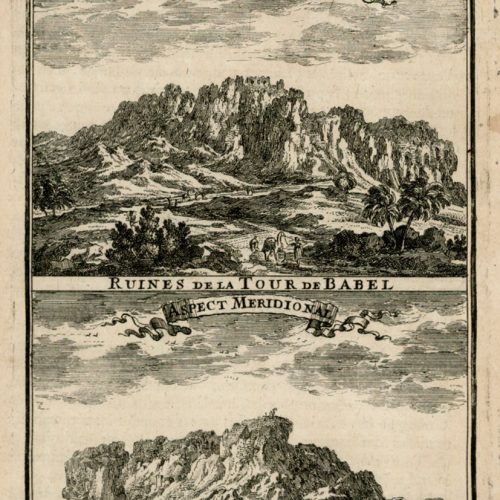
Ruins of the Tower of Babel
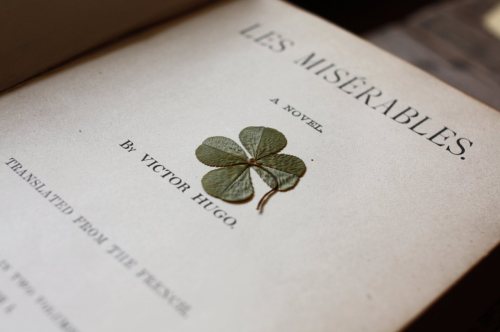
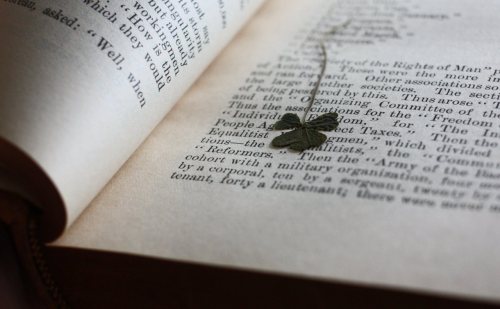
If it is the grandeur of the revolution to gaze steadily upon the dazzling ideal, and to fly to it through the lightning, with blood and fire in its talons, it is the beauty of progress to be without a stain; and there is between them the difference which separates the angel with the wings of a swan, from the angle with the wings of an eagle.
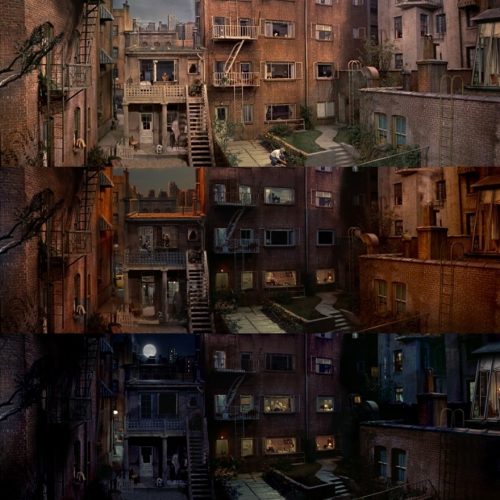
Amazing panorama and time-lapse of Hitchcock’s Rear Window courtyard (more)
Loscil – “Zephyr”
Plume
This hypnotizing album is Loscil’s third, far more rich than the muted Submers or the barely-there Triple Point. It’s full of tracks like this, repetitive but enveloping, and deceptively full of detail at every tone level. Beauty, but hovering on the border of threatening depths. (insound)
Letter from Kurt Vonnegut to one who would burn his books
November 16, 1973
Dear Mr. McCarthy:
I am writing to you in your capacity as chairman of the Drake School Board. I am among those American writers whose books have been destroyed in the now famous furnace of your school.
Certain members of your community have suggested that my work is evil. This is extraordinarily insulting to me. The news from Drake indicates to me that books and writers are very unreal to you people. I am writing this letter to let you know how real I am.
He was twice witty, first with his own wit, then with the wit which was attributed to him.
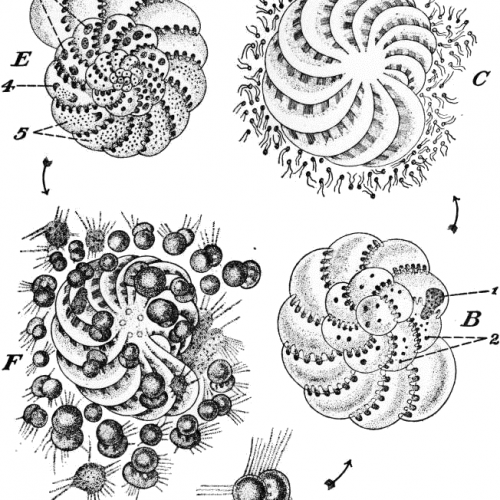
Black Forest/Black Sea – “Sevastopol”
Black Forest/Black Sea
An album of freaky chamber folk, before the band went a bit more digital. The cello/guitar combo makes it sound like an Espers backing track, but the off-kilter melody and confidently atonal background noise set it apart. An unpredictable band, for good and ill.
“Old books? The devil take them!” Goby said.
“Fresh every day must be my books and bread.”
Nature herself approves the Goby rule
And gives us every moment a fresh fool.

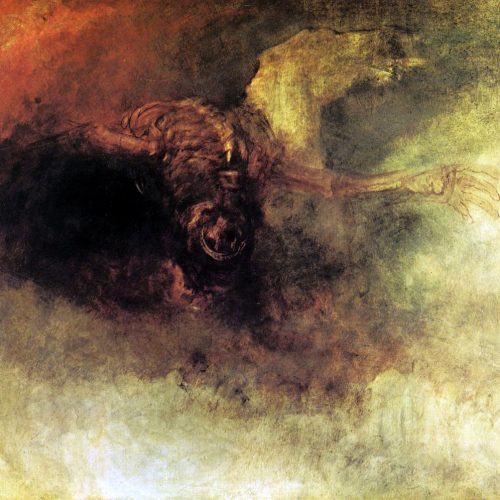
Death on a Pale Horse, J.M.W. Turner (1830)