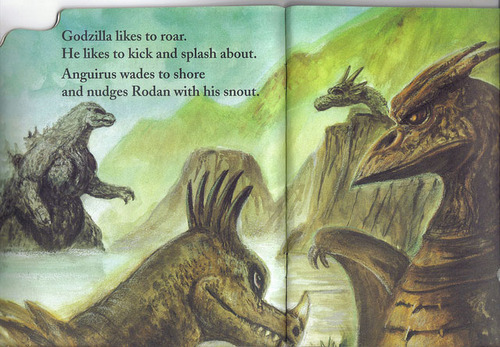
Godzilla Likes to Roar, an actual picture book by Bob Eggleton
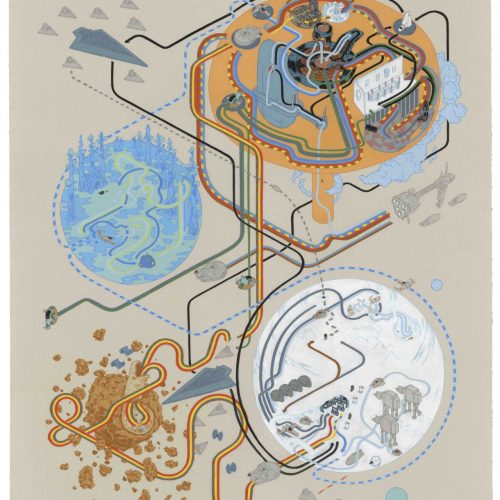
These Star Wars maps by Andrew Degraff are astonishingly well-realized.
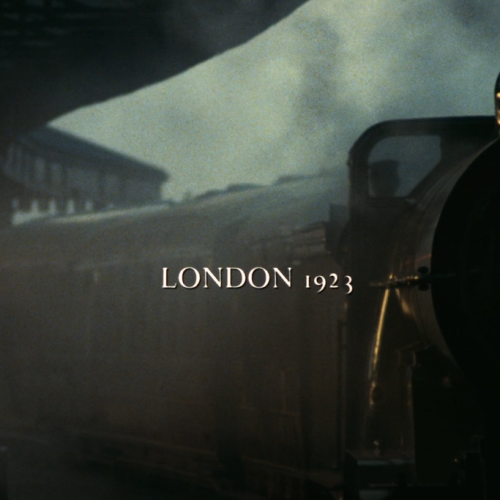
Wonderfully filmic frame from Chariots of Fire
June 8th [1660]. Out early, took horses at Deale. I troubled much with the King’s gittar, and Fairbrother, the rogue that I intrusted with the carrying of it on foot, whom I thought I had lost. Come to Gravesend. A good handsome wench I kissed, the first that I have seen a great while.
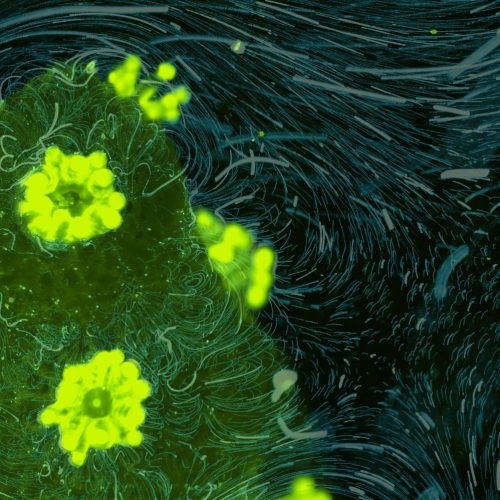
Ultramicroscope sectioning image of a fruit fly (best watched large and HD)
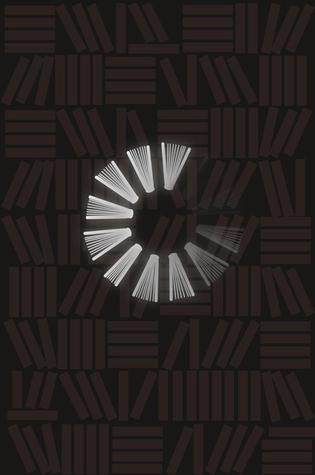
It’s easy enough to recommend the light, literate Mr. Penumbra’s 24-Hour Bookstore without diving too far into the story (the book is still new and people will be wanting to avoid spoilers for some time, unlike, say, Les Miserables), though it will be read with more interest by savvy folks for whom the references need not be explained in footnotes (or marginalia).
The premise is simple but rich in potential: A young out-of-work tech guy in San Francisco takes a job working at a strange old bookstore and tumbles into a mystery of sorts. It’s a breezy trip with a few nods to history and more than a few nods to present tech culture. While that makes it a fun read for the tech-savvy of 2012, I think it might end up causing the book to age poorly, achieving anachronism status for the tech-savvy of 2022. At any rate, the trade-off works for now.
Sir Anthony Absolute: Madam, a circulating library in a town is as an ever-green tree of diabolical knowledge! It blossoms throughout the year! —and depend on it, Mrs. Malaprop, that they who are so fond of handling the leaves, will long for the fruit at last.
Fredrik – “Black Fur”
Na Na Ni
A rhythmic and harmonic little anthem. I keep thinking I remember how it sounds, but then it surprises me with little flourishes or jangles. (insound)
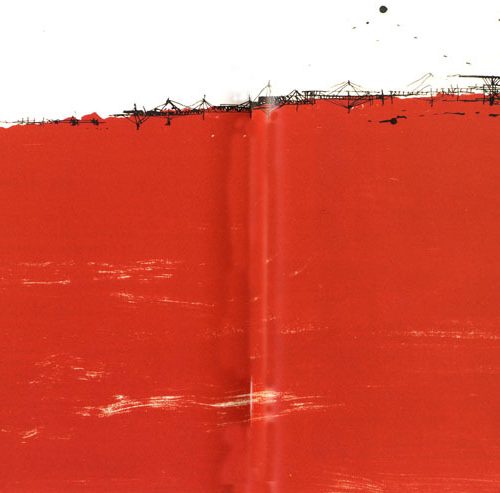
Situationists. Art, politics, urbanism (book cover)
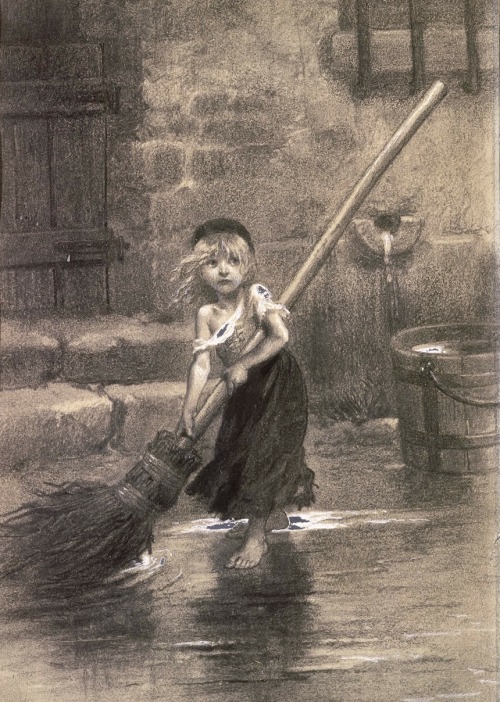
“To write the poem of the human conscience, were it only of a single man, were it only of the most infamous of men, would be to swallow up all epics in a superior and final epic,” writes Hugo. And, although he perhaps did not aim to eclipse all previous literature with Les Misérables, the book is nevertheless a novel of the human conscience (if not the poem). But between the reader and this final epic is Hugo himself, and the book is equally an odyssey within the author as within humanity.
Hugo was called in his time L’Homme Ocean, and it is easy to see why. His depths are unsounded, and his volume immense. Les Misérables is, roughly speaking, equally divided between narrative proper, internal narrative, history, and digressive essay. Every action, every topic, every piece of dialogue in the book is potentially a platform off of which Hugo may launch into rarefied airs, extemporizing on the nature of chastity, or the implications of criminal jargon, or the failings of society as regards orphans, women, civic duty, fashion, honor, or whatever strikes him.
machicolation: a parapet or gallery with openings through which to send projectiles, oil, etc
uncomatible: literally (and incredibly) “un-come-at-able,” in use as early as the 17th century
zouave: one of a French-Algerian infantry unit known for their vigor and colorful uniforms
enlizement: to become stuck in quicksand, mud, or figuratively in a situation or argument
stercorary: a place for securing waste or manure from the elements (sewer or storage)
barathrum: a pit in Athens into which criminals were thrown; synonymous with hell
praemunire: the offense of unnecessarily seeking an alternative to royal jurisdiction
scolopendra: “a genus of venomous myriapod” – also a mythical fish, per Spenser
tergiversate: to rapidly change attitudes or loyalties, or to be evasive in general
morion: a common Renaissance-period crested helmet (also a type of quartz)
epithalamium: an ode, poem, or song written to commemorate a wedding
excrescence: an outgrowth, animal or vegetable, normal or abnormal
firk: to hasten, rouse, drive, or strike
ochlocracy: mob rule
Tame Impala – “Feels Like We Only Go Backwards” – Lonerism
Helvetia’s Dream – a captivating time-lapse video of Switzerland. Love the meteor at 0:46.
Wye Oak – “Talking About Money”
The Knot
It’s uncommon that I’m exposed to an artist through their latest album, but then find I prefer their earlier work — especially when the latest album is as good as Wye Oak’s Civilian. But The Knot does everything Civilian does, with more variety, grandeur, and power in general. From the setup and punchline of the first two tracks to the unbelievably confident “Talking About Money” to the shoegazer “Mary Is Mary” and triumphant “Tattoo,” there is hardly a misstep on the album and a surfeit of just plain excellent music. (insound)
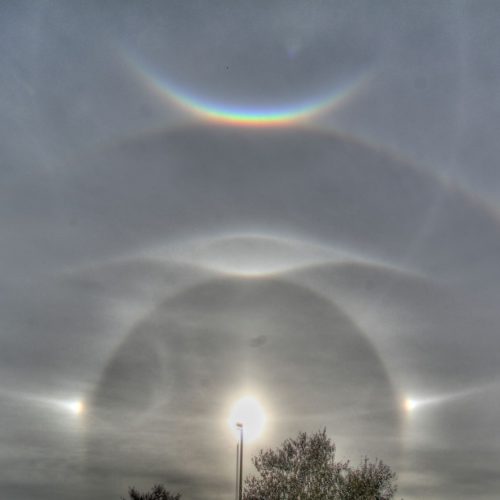
Murcof – “Spring In The Artificial Gardens”
The Versailles Sessions
The occult quasi-baroque meanderings of The Versailles Sessions seem a strange sequel to Murcof’s dubby, Loscil-esque Martes and Remembranza. But a lot can change in a few years, and the artist’s experimental leanings were already evident. Still, it’s a fairly baffling 50 minutes. The focus is on space and ambience, not (as the compelling but ultimately frustrating “Louis XIV’s Demons” shows early on), and this track embodies that without being terminally weird.
My friends, Providence is put to his trumps. A revolution, what does that prove? That God is hard up. He makes a coup d’état because there is a solution of continuity between the present and the future, and because he, God, is unable to join the two ends.
And to see so much discomfort above and below, so much rascality and odiousness and stinginess and distress in the heavens and on earth… to see winter, which is nothing but a rent in the zenith through which the wind blows, to see so many tatters even in the brand new purple of the morning on the tops of the hills, to see the dew drops, those false pearls, to see the frost, that paste, to see humanity torn, and events patched, and so many spots on the sun, and so many holes in the moon, to see such misery everywhere — I suspect that God is not rich.
He keeps up appearances, it is true, but I feel the pinch. We must not judge the gods from appearances. Beneath the gilding of the sky I catch a glimpse of a poor universe, Creation is bankrupt. That is why I am malcontent.
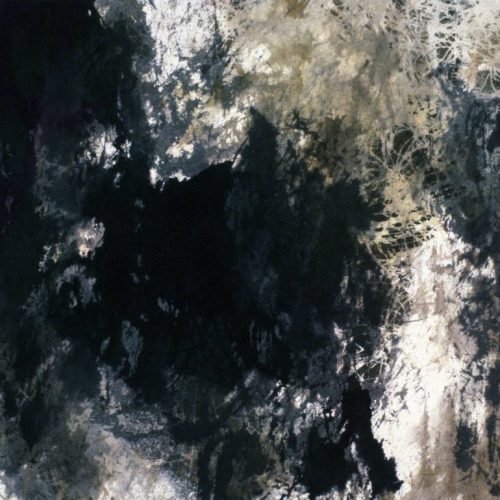
Abstract painting in grey, brown, and black – Feng Zhongrui (1966)
Marielle V Jakobsons – “Crystal Orchard”
Glass Canyon
An ethereal but sonically fascinating album. Jakobsons creates wonderful atmospheres, and the journeys through those soundspaces occasionally resemble songs. The first three tracks (this is the second) are especially intriguing. (experimedia)