machicolation: a parapet or gallery with openings through which to send projectiles, oil, etc
uncomatible: literally (and incredibly) “un-come-at-able,” in use as early as the 17th century
zouave: one of a French-Algerian infantry unit known for their vigor and colorful uniforms
enlizement: to become stuck in quicksand, mud, or figuratively in a situation or argument
stercorary: a place for securing waste or manure from the elements (sewer or storage)
barathrum: a pit in Athens into which criminals were thrown; synonymous with hell
praemunire: the offense of unnecessarily seeking an alternative to royal jurisdiction
scolopendra: “a genus of venomous myriapod” – also a mythical fish, per Spenser
tergiversate: to rapidly change attitudes or loyalties, or to be evasive in general
morion: a common Renaissance-period crested helmet (also a type of quartz)
epithalamium: an ode, poem, or song written to commemorate a wedding
excrescence: an outgrowth, animal or vegetable, normal or abnormal
firk: to hasten, rouse, drive, or strike
ochlocracy: mob rule
Tame Impala – “Feels Like We Only Go Backwards” – Lonerism
(Source: https://www.youtube.com/)
Helvetia’s Dream – a captivating time-lapse video of Switzerland. Love the meteor at 0:46.
(Source: https://player.vimeo.com/)
Wye Oak – “Talking About Money”
The Knot
It’s uncommon that I’m exposed to an artist through their latest album, but then find I prefer their earlier work — especially when the latest album is as good as Wye Oak’s Civilian. But The Knot does everything Civilian does, with more variety, grandeur, and power in general. From the setup and punchline of the first two tracks to the unbelievably confident “Talking About Money” to the shoegazer “Mary Is Mary” and triumphant “Tattoo,” there is hardly a misstep on the album and a surfeit of just plain excellent music. (insound)
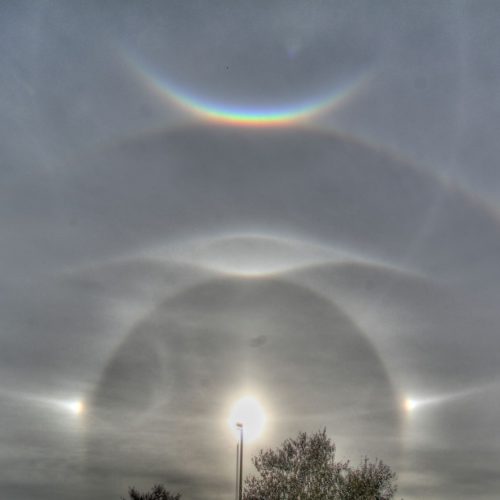
Hurricane Sandy created conditions conducive to exotic optical phenomena like this display, captured by David Hathaway, comprising “two sun dogs, a 22-degree halo, a parahelic circle, an upper tangent arc, and a parry arc.”
Murcof – “Spring In The Artificial Gardens”
The Versailles Sessions
The occult quasi-baroque meanderings of The Versailles Sessions seem a strange sequel to Murcof’s dubby, Loscil-esque Martes and Remembranza. But a lot can change in a few years, and the artist’s experimental leanings were already evident. Still, it’s a fairly baffling 50 minutes. The focus is on space and ambience, not (as the compelling but ultimately frustrating “Louis XIV’s Demons” shows early on), and this track embodies that without being terminally weird.
My friends, Providence is put to his trumps. A revolution, what does that prove? That God is hard up. He makes a coup d’état because there is a solution of continuity between the present and the future, and because he, God, is unable to join the two ends.
And to see so much discomfort above and below, so much rascality and odiousness and stinginess and distress in the heavens and on earth… to see winter, which is nothing but a rent in the zenith through which the wind blows, to see so many tatters even in the brand new purple of the morning on the tops of the hills, to see the dew drops, those false pearls, to see the frost, that paste, to see humanity torn, and events patched, and so many spots on the sun, and so many holes in the moon, to see such misery everywhere — I suspect that God is not rich.
He keeps up appearances, it is true, but I feel the pinch. We must not judge the gods from appearances. Beneath the gilding of the sky I catch a glimpse of a poor universe, Creation is bankrupt. That is why I am malcontent.
Les Miserables
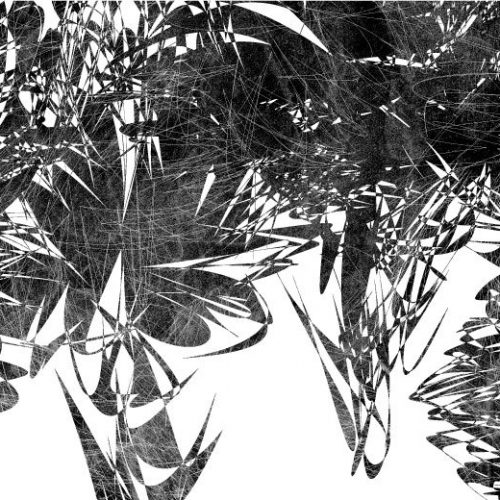

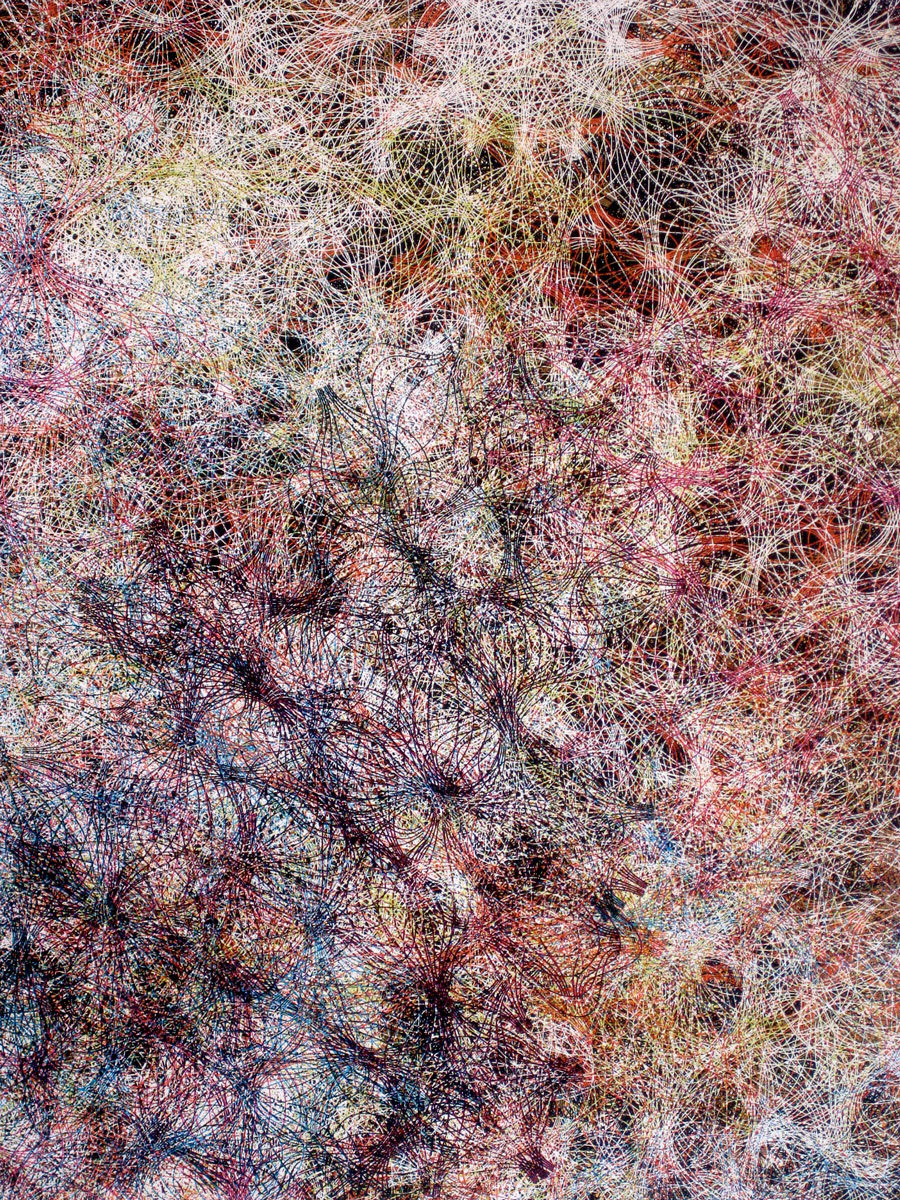
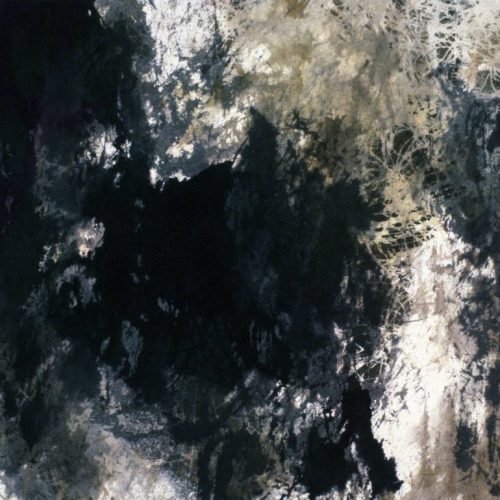
Abstract painting in grey, brown, and black – Feng Zhongrui (1966)
Marielle V Jakobsons – “Crystal Orchard”
Glass Canyon
An ethereal but sonically fascinating album. Jakobsons creates wonderful atmospheres, and the journeys through those soundspaces occasionally resemble songs. The first three tracks (this is the second) are especially intriguing. (experimedia)