
A Weather – “It’s Good To Know”
Cove
Much of this record falls under the softly-sung male-female harmony indie category and is fairly safe and pleasant, if forgettable. But the keyboards and the bittersweet call and response of the final track are simple, beautiful, and instantly memorable. (insound)
Vocabulary: Smooth Oppilator Edition
purly: Anglicization of “purlieu,” meaning outskirts of forest or city (esp. hunting)
deliquium: in chemistry, melting or dissolution; elsewhere, a faint or swoon
adust: dried, burned, or darkened by heat, or gloomy in look or manner
myrachial: no definition. Apparently a synonym for hypochondriacal
oppilate: to block or stop up with obstructing matter or objects
dummerer: a person who feigns dumbness (i.e. lack of voice)
corsive: an obsolete abbreviation of “corrosive”
vastity: a charming alternate form of vastness
cullion: from the Latin for testicle, an insult
constuprate: to ravish or debauch
calenture: a kind of tropical fever
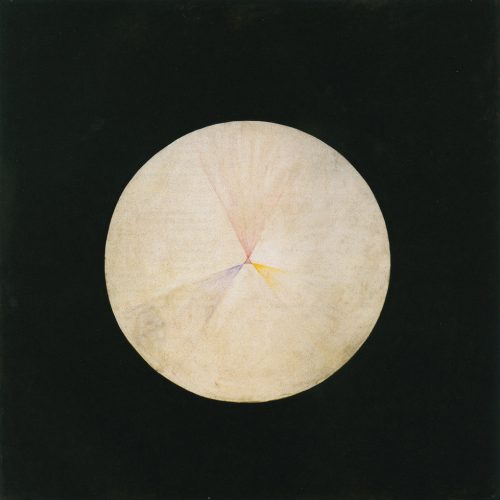
Swan, Hilma af Klint (1914)
Forty-three translations of Hadrian’s “Animula, Vagula, Blandula”
While translations of Latin poetry necessarily miss somewhat the intention of the original, the effort is still worth making, sometimes again and again for hundreds of years.
Hadrian’s paean to his departing soul, while its inherent quality is apparently suspect (according to the few who can say with authority), has nevertheless furnished scores of translations in English alone. Here are a good number, more than can be found elsewhere online, but fewer than are included in my primary source, an 1876 volume collecting over a hundred translations of varying quality by priests, scholars, and gentlemen who either knew Latin and translated therefrom Hadrian’s final composition, or recast it on their own by other means. They comprise an interesting study of the variety (and homogeneity) that emerges from the process of translation.
Most are not dated, but range from the late 1700s to the mid-1800s up until the year they were collected and published; my limited researches place those without dates or estimates in the several decades preceding. William Leonard Courtney, for example, was born in 1850 and obviously would have furnished his lines as a contemporary, while Andrew Coventry appears to have died in 1832 and must have set his down much earlier. The editor of the collection makes no remarks on the order of the translations, and most appear nowhere else, so I have recopied them as they appeared, minus non-English translations and those (except my own) I felt lacked merit.
Animula, vagula, blandula
Hospes comesque corporis
Quae nunc abibis in loca
Pallidula, rigida, nudula,
Nec, ut soles, dabis iocos…
—Emperor Hadrian (138)
Minion soul, poor wanton thing
The body’s guest, my dearest darling,
To what places art thou going?
Naked miserable trembling,
Reaving me of all the joy
Which by thee I did enjoy.
—Molle (1625)
The ghest and consort of my body,
Into what place now all alone
Naked and sad wilt thou be gone?
No mirth, no wit, as heretofore,
Nor Jests wilt thou afford me more.
—Henry Vaughan (1652)
Must we no longer live together?
And dost thou prune thy trembling Wing,
To take thy Flight thou know’st not whither? Thy humorous Vein, thy pleasing Folly
Lyes all neglected, all forgot;
And pensive, wav’ring, melancholy,
Thou dread’st and hop’st thou know not what.
—Matthew Prior (1709)
That long hast warm’d my tender Breast,
Must thou no more this Frame inspire?
No more a pleasing, chearful Guest? Whither, ah whither art thou flying!
To what dark, undiscover’d Shore?
Thou seem’st all trembling, shiv’ring, dying,
And Wit and Humour are no more!
—Alexander Pope (1712)
Its guest and comrade, fleeting fast away,
Dear precious Soul, ever so fond and kind,
Where wilt thou go? where now a refuge find?
Cast forth, a stranger, on some unknown shore,
Pallid benumbed, bereaved, thou wilt no more
Joy with thy partner, as thy wont before! ~ Say, fleeting Spirit, gentle, dear,
The body’s guest and comrade here,
Whither, Oh whither, now away?
Into what regions wilt thou stray?
Pale, numb, and desolate; no more
To jest and trifle, as before.
—Reverend James Ford (late 18th/early 19th c.)
Friend and associate of this clay!
To what unknown region borne,
Wilt thou, now, wing thy distant flight?
No more, with wonted humour gay,
But pallid, cheerless, and forlorn.
—Lord Byron (1806)
My guest, companion, on the wing!
But know’st thou where? once fled from me,
Lone, pallid, naked, cold thou’lt be,
And jest no more with sprightly glee.
—Dr Barclay of Edinburgh (early 19th c.)
My body’s friend and guest,
Where be the unknown fields
Thou now wilt seek for rest,
Perhaps to roam in some lone glade,
For aye a wan and joyless shade?
—Andrew Coventry (early 19th c.)
Ah! whither dost thou flit away,
Leaving thy long-loved home of clay?
The realms without are bleak and drear,
Those fields are stiff with cold, and bare.
Poor laughter-loving soul! no mirth wilt thou find there. ~ My pretty soul, my minion!
My body’s friend and guest!
Borne on thy vagrant pinion,
Where seekest thou thy rest?
I see thee naked, stiff, and wan,
Thy humour changed, thy mirth all gone.
—Lord Bishop of Bath and Wells (early 19th c.)
That has such wayward, winning way!
The welcome guest and loving mate
Long of this mortal clay!
Ah! wherefore called by cruel fate
To unseen worlds away?
Thy colour flown, thy gambols o’er,
Thy vesture turned again to earth,
Thou’rt gone, and never more
Shall ring thy jocund mirth.
—Thomas Lewin
Friend and partner of my being,
Tarrying yet on earth and living;
Pallid, rigid, shalt thou roam
Sad, in shades and cheerless gloom,
Then no longer pleasure giving.
—Rev. H. M. Scarth
Guest hitherto of this my body frail,
How soon, in silence, wilt thou flt away?
All mirth forsaking, naked, cold, and pale.
—Miss Scarth
Wildly fluttering hither, thither,
Guest and comrade half divine,
Whither art thou going, ah! whither?
Naked, pale, and shivering, say,
Wilt thou, when thou goest away,
There as here be blythe and gay?
—Rev. Preb. Buckle
The body’s guest and close ally;
To what new regions wilt thou fly?
A pale and cold and naked blight,
With all thy wonted jokes gone by.
—Charles Tennyson Turner
Co partner in its weal and woe;
Ah! why, so blessing and so blest,
Not tarry here below?
Why leave thy tenement a prey
to “cold obstruction”— dull decay? Dear dainty thing! how wilt thou fare,
On that inhospitable shore,
Where is nor sun, nor balmy air,
And earth’s fair face is seen no more?
Where cheerless memories find their home,
But mirth and laughter never come.
—Rev. H. B. Whiting
Associate in my joy and sorrow,
Departing soul! today still here,
But where, oh where, when dawns tomorrow?
Feeling yea deeply, every thought
Akin to jesting now too late;
Fearful and pallid, lonely brought
Art thou into some lonely state.
—Rev. G. B. Paley
Through life my true abiding friend,
My body’s loved and loving guest,
Must then our fond communion end?
Into what realms to mental eye
Or mystery of thought unknown,
Trembling and fluttering, wilt thou fly,
Disrobed and cheerless, cold and lone?
Weaving thy fancies now no more
As in the pleasant days of yore. ~ Oh, loving Soul, my own so tenderly,
My life’s companion and my body’s guest,
To what new realms, poor flutterer, wilt thou fly?
Cheerless, disrobed, and cold in thy lone quest,
Hushed thy sweet fancies, mute thy wonted jest.
—D. Johnston
Wandering aimless away,
Leaving the body thy mortal
Comrade and host to decay;
Lonely to far distant places,
Pallid and naked thou’lt flit,
Heedless of old loving faces,
Charming no more with thy wit.
—Frederick Lewin
Soul of mine—the body cheering,
Guest and comrade on life’s way;
Whither—thing old haunt forsaking
With thy wit and merry-making,
Cold and naked wilt thou stray?
—Rev. Thomas P. Rogers
So wayward, fanciful, and yet so dear,
Where next wilt rest thee on thy spectral flight?
Where mope in dismal silence, stark and sere?
I gave thee for thy dwelling place my heart,
And for thy chamber yielded up my brain,
Assign a trysting spot before we part,
That we may not have comraded in vain.
—Henry Julian Hunter
My body’s friend and guest from day to day,
What fearful doom will end thy forlorn flight?
Perchance the doleful realm of endless night!
Pallid and woebegone, naked, distrest,
There none will cheer thy wonted playful jest.
—George S. Jenks
Guest and partner of my earthly frame,
Whither passest thou away?
Pale one, stark, unclothed—never more
Sparkling now with joy as heretofore.
—Reverend R. Malone
Poor little wanderer, all unknowing?
Comrade and guest of the body, thou’rt leaving
Naked now, shivering, pale and grieving,
No more sprightly fancies weaving.
—Henry Duncan Skrine
Stranger-inmate of my breast,
Why wilt seek death’s bitter dole?
Homeless, chill, and ill at rest,
Granting no more the boon of wonted jest.
—William Leonard Courtney
My body’s guest and oldest friend,
What strange abode doth thee enfold,
Ah, whither do they wanderings tend?
Trembling, naked, shivering, cold,
Thou from thy old ally hast gone;
No more thou’lt prattle as of old,
Thy wit all past, thy jokes all done.
—W. R. K.
And loved companion, from that homely nest
Exiled, what regions wilt thou soon survey?
Denuded, pallid, stern, thou’lt take thy way,
Nor more, as erst, wilt join in converse light and gay.
—Miss A. B. Rowlandson
Comrade sweet and loving,
Guest of clay;
Chill and stark and wan,
Mirth and laughter gone,
Whither away?
—Percy J. M. Rogers
Guest and cherished friend to-day,
Whither art thou bent, now say,
Timid, trembling, with thee taking
All the joy of life away?
—Frederick E. Hunter
Bodiless—sans friend and host—
Ah whither! ah whither! dost post?
Poor shivering, stiff and stark ghost,
Nor a joke from thee more may I get.
—Erasmus Henry Brodie
Guest-friend of this frame of mine,
To what realms thou now retreatest
Tell me? wan thou growest, and cold,
Nor, my Spirit, as of old
In my ear glad things repeatest.
—Thomas Hughes
Erewhile, thou leav’st thy home;
To what uncertain place of rest
A wanderer dost thou roam?
Pale, cold, and naked, henceforth to forego
Thy jests among the sullen shades below.
—Rev. C. G. Lane
The body’s guest and comrade gay,
To what new realms would’st thou repair?
Pallid, and cheerless, chill and bare;
Must I lie down, a clod of earth,
And thou for ever cease thy mirth?
—Lord Charles Neaves
Inmate and mate of this poor home,
Ah! too untimely wandering,
Tell me, my soul, where wilt thou roam!
Ah! with what naked, shuddering flight,
Through chilling regions of dread night,
Thou hurriest forlorn of beauty and delight!
—Morton Luck
Where thou cam’st, a joyous guest,
This mortal frame within;
Long its fellow-traveller thou
Through this world hast been, but now
Thy wandering must begin;
Leave the bright, glad life of old,
Go stiff, naked, pallid, cold—
what other home to win?
—W. P. Brooke
Why wilt thou roam?
Long has thou found
In me a home.
Numb, pale, and naked, whither fly
From my companionship, and why?
Thy merry jests no more shall ring—
And must thou leave me, little thing?
—Russell Duckworth
Guest of my body and its friend,
Whither now
Goest thou?
Pale, and stiff, and naked quite,
All thy jests are at an end.
—W. A. S. Benson
My body’s guest, my body’s mate
Who now along dost fare beyond
Bright earth to regions desolate,
Cold-bound and spectral— as of yore
Thou makest merriment no more.
—H. B. Baildon
To roam, to sport, so bright!
But now, why stiff? why pale?
Why cast me off, for flight?
—”Moribundus”
That dost within the body stay,
Now thy dwelling-place is gone,
Whither wilt thou go away,
Pale, defenceless, stiff and chill?
hush’d is thy wonted voice and still.
—James Duff
Guest most welcome, whither dost thou roam?
The way is dark, and darker still the place
Thou seekest out, with wan and pale face,
Naked and cold, a cheerless path to wend,
Thy mirth forsaken, thy joy come to an end.
—Devin Coldewey (2012)
Hospes comesque corporis
Quae nunc abibis in loca
Pallidula, rigida, nudula,
Nec, ut soles, dabis iocos…
—Emperor Hadrian (138)
Minion soul, poor wanton thing
The body’s guest, my dearest darling,
To what places art thou going?
Naked miserable trembling,
Reaving me of all the joy
Which by thee I did enjoy.
—Molle (1625)
My soul, my pleasant soul and witty,
The ghest and consort of my body,
Into what place now all alone
Naked and sad wilt thou be gone?
No mirth, no wit, as heretofore,
Nor Jests wilt thou afford me more.
—Henry Vaughan (1652)
My little, pretty, fluttering thing,
Must we no longer live together?
And dost thou prune thy trembling Wing,
To take thy Flight thou know’st not whither? Thy humorous Vein, thy pleasing Folly
Lyes all neglected, all forgot;
And pensive, wav’ring, melancholy,
Thou dread’st and hop’st thou know not what.
—Matthew Prior (1709)
Ah! Fleeting Spirit! wand’ring Fire,
That long hast warm’d my tender Breast,
Must thou no more this Frame inspire?
No more a pleasing, chearful Guest? Whither, ah whither art thou flying!
To what dark, undiscover’d Shore?
Thou seem’st all trembling, shiv’ring, dying,
And Wit and Humour are no more!
—Alexander Pope (1712)
Light airy tenant of this mortal clay,
Its guest and comrade, fleeting fast away,
Dear precious Soul, ever so fond and kind,
Where wilt thou go? where now a refuge find?
Cast forth, a stranger, on some unknown shore,
Pallid benumbed, bereaved, thou wilt no more
Joy with thy partner, as thy wont before! ~ Say, fleeting Spirit, gentle, dear,
The body’s guest and comrade here,
Whither, Oh whither, now away?
Into what regions wilt thou stray?
Pale, numb, and desolate; no more
To jest and trifle, as before.
—Reverend James Ford (late 18th/early 19th c.)
Ah! gentle, fleeting, wav’ring sprite,
Friend and associate of this clay!
To what unknown region borne,
Wilt thou, now, wing thy distant flight?
No more, with wonted humour gay,
But pallid, cheerless, and forlorn.
—Lord Byron (1806)
Thou little, wandering, witching thing,
My guest, companion, on the wing!
But know’st thou where? once fled from me,
Lone, pallid, naked, cold thou’lt be,
And jest no more with sprightly glee.
—Dr Barclay of Edinburgh (early 19th c.)
Ah, playful, kindly spirit,
My body’s friend and guest,
Where be the unknown fields
Thou now wilt seek for rest,
Perhaps to roam in some lone glade,
For aye a wan and joyless shade?
—Andrew Coventry (early 19th c.)
Stay, darling soul, sweet wanderer, stay,
Ah! whither dost thou flit away,
Leaving thy long-loved home of clay?
The realms without are bleak and drear,
Those fields are stiff with cold, and bare.
Poor laughter-loving soul! no mirth wilt thou find there. ~ My pretty soul, my minion!
My body’s friend and guest!
Borne on thy vagrant pinion,
Where seekest thou thy rest?
I see thee naked, stiff, and wan,
Thy humour changed, thy mirth all gone.
—Lord Bishop of Bath and Wells (early 19th c.)
My darling soul! my petted stray!
That has such wayward, winning way!
The welcome guest and loving mate
Long of this mortal clay!
Ah! wherefore called by cruel fate
To unseen worlds away?
Thy colour flown, thy gambols o’er,
Thy vesture turned again to earth,
Thou’rt gone, and never more
Shall ring thy jocund mirth.
—Thomas Lewin
Spirit fleeting, fluttering, seeing,
Friend and partner of my being,
Tarrying yet on earth and living;
Pallid, rigid, shalt thou roam
Sad, in shades and cheerless gloom,
Then no longer pleasure giving.
—Rev. H. M. Scarth
Oh, little spirit, playful, fluttering, gay,
Guest hitherto of this my body frail,
How soon, in silence, wilt thou flt away?
All mirth forsaking, naked, cold, and pale.
—Miss Scarth
Little darling soul of mine,
Wildly fluttering hither, thither,
Guest and comrade half divine,
Whither art thou going, ah! whither?
Naked, pale, and shivering, say,
Wilt thou, when thou goest away,
There as here be blythe and gay?
—Rev. Preb. Buckle
Little wild and winsome sprite,
The body’s guest and close ally;
To what new regions wilt thou fly?
A pale and cold and naked blight,
With all thy wonted jokes gone by.
—Charles Tennyson Turner
Sweet soul, the body’s genial guest,
Co partner in its weal and woe;
Ah! why, so blessing and so blest,
Not tarry here below?
Why leave thy tenement a prey
to “cold obstruction”— dull decay? Dear dainty thing! how wilt thou fare,
On that inhospitable shore,
Where is nor sun, nor balmy air,
And earth’s fair face is seen no more?
Where cheerless memories find their home,
But mirth and laughter never come.
—Rev. H. B. Whiting
My gentle soul, my little dear,
Associate in my joy and sorrow,
Departing soul! today still here,
But where, oh where, when dawns tomorrow?
Feeling yea deeply, every thought
Akin to jesting now too late;
Fearful and pallid, lonely brought
Art thou into some lonely state.
—Rev. G. B. Paley
Sweet Soul, in tender joy possest,
Through life my true abiding friend,
My body’s loved and loving guest,
Must then our fond communion end?
Into what realms to mental eye
Or mystery of thought unknown,
Trembling and fluttering, wilt thou fly,
Disrobed and cheerless, cold and lone?
Weaving thy fancies now no more
As in the pleasant days of yore. ~ Oh, loving Soul, my own so tenderly,
My life’s companion and my body’s guest,
To what new realms, poor flutterer, wilt thou fly?
Cheerless, disrobed, and cold in thy lone quest,
Hushed thy sweet fancies, mute thy wonted jest.
—D. Johnston
Fond, kindly soul, thro’ death’s portal
Wandering aimless away,
Leaving the body thy mortal
Comrade and host to decay;
Lonely to far distant places,
Pallid and naked thou’lt flit,
Heedless of old loving faces,
Charming no more with thy wit.
—Frederick Lewin
Restless, flitting, still endearing
Soul of mine—the body cheering,
Guest and comrade on life’s way;
Whither—thing old haunt forsaking
With thy wit and merry-making,
Cold and naked wilt thou stray?
—Rev. Thomas P. Rogers
O, little guest too shy for sense or sight,
So wayward, fanciful, and yet so dear,
Where next wilt rest thee on thy spectral flight?
Where mope in dismal silence, stark and sere?
I gave thee for thy dwelling place my heart,
And for thy chamber yielded up my brain,
Assign a trysting spot before we part,
That we may not have comraded in vain.
—Henry Julian Hunter
Endearing soul, unhappy wanderer, stay;
My body’s friend and guest from day to day,
What fearful doom will end thy forlorn flight?
Perchance the doleful realm of endless night!
Pallid and woebegone, naked, distrest,
There none will cheer thy wonted playful jest.
—George S. Jenks
Pretty spirit, tiny fleeting flame,
Guest and partner of my earthly frame,
Whither passest thou away?
Pale one, stark, unclothed—never more
Sparkling now with joy as heretofore.
—Reverend R. Malone
Where, oh my soul, my darling art going,
Poor little wanderer, all unknowing?
Comrade and guest of the body, thou’rt leaving
Naked now, shivering, pale and grieving,
No more sprightly fancies weaving.
—Henry Duncan Skrine
Wandering, shrinking, loving soul,
Stranger-inmate of my breast,
Why wilt seek death’s bitter dole?
Homeless, chill, and ill at rest,
Granting no more the boon of wonted jest.
—William Leonard Courtney
Little, charming, fluttering soul,
My body’s guest and oldest friend,
What strange abode doth thee enfold,
Ah, whither do they wanderings tend?
Trembling, naked, shivering, cold,
Thou from thy old ally hast gone;
No more thou’lt prattle as of old,
Thy wit all past, thy jokes all done.
—W. R. K.
Dear wandering Soul, my body’s genial guest,
And loved companion, from that homely nest
Exiled, what regions wilt thou soon survey?
Denuded, pallid, stern, thou’lt take thy way,
Nor more, as erst, wilt join in converse light and gay.
—Miss A. B. Rowlandson
Little spirit, roving,
Comrade sweet and loving,
Guest of clay;
Chill and stark and wan,
Mirth and laughter gone,
Whither away?
—Percy J. M. Rogers
Pleasant spirit, home forsaking,
Guest and cherished friend to-day,
Whither art thou bent, now say,
Timid, trembling, with thee taking
All the joy of life away?
—Frederick E. Hunter
Soul of mine, dear fluttering pet,
Bodiless—sans friend and host—
Ah whither! ah whither! dost post?
Poor shivering, stiff and stark ghost,
Nor a joke from thee more may I get.
—Erasmus Henry Brodie
Spirit, wayward, gentle, fine,
Guest-friend of this frame of mine,
To what realms thou now retreatest
Tell me? wan thou growest, and cold,
Nor, my Spirit, as of old
In my ear glad things repeatest.
—Thomas Hughes
Poor ghost, my body’s friend and guest
Erewhile, thou leav’st thy home;
To what uncertain place of rest
A wanderer dost thou roam?
Pale, cold, and naked, henceforth to forego
Thy jests among the sullen shades below.
—Rev. C. G. Lane
My own dear soul, that warm’st this clay,
The body’s guest and comrade gay,
To what new realms would’st thou repair?
Pallid, and cheerless, chill and bare;
Must I lie down, a clod of earth,
And thou for ever cease thy mirth?
—Lord Charles Neaves
Beloved, vagrant, tender thing,
Inmate and mate of this poor home,
Ah! too untimely wandering,
Tell me, my soul, where wilt thou roam!
Ah! with what naked, shuddering flight,
Through chilling regions of dread night,
Thou hurriest forlorn of beauty and delight!
—Morton Luck
Soul of mine, that may’st not rest
Where thou cam’st, a joyous guest,
This mortal frame within;
Long its fellow-traveller thou
Through this world hast been, but now
Thy wandering must begin;
Leave the bright, glad life of old,
Go stiff, naked, pallid, cold—
what other home to win?
—W. P. Brooke
Dear little soul,
Why wilt thou roam?
Long has thou found
In me a home.
Numb, pale, and naked, whither fly
From my companionship, and why?
Thy merry jests no more shall ring—
And must thou leave me, little thing?
—Russell Duckworth
Wandering, gentle little sprite,
Guest of my body and its friend,
Whither now
Goest thou?
Pale, and stiff, and naked quite,
All thy jests are at an end.
—W. A. S. Benson
Oh! soul of mine, so wayward, fond,
My body’s guest, my body’s mate
Who now along dost fare beyond
Bright earth to regions desolate,
Cold-bound and spectral— as of yore
Thou makest merriment no more.
—H. B. Baildon
Thou us’d with me to dwell,
To roam, to sport, so bright!
But now, why stiff? why pale?
Why cast me off, for flight?
—”Moribundus”
Little wand’rer, soul of mine,
That dost within the body stay,
Now thy dwelling-place is gone,
Whither wilt thou go away,
Pale, defenceless, stiff and chill?
hush’d is thy wonted voice and still.
—James Duff
Wand’ring spark, who warmed this mortal home,
Guest most welcome, whither dost thou roam?
The way is dark, and darker still the place
Thou seekest out, with wan and pale face,
Naked and cold, a cheerless path to wend,
Thy mirth forsaken, thy joy come to an end.
—Devin Coldewey (2012)
Father John Misty – “Hollywood Forever Cemetery Sings”
Fear Fun
I’ve had this song stuck in my head since I watched the video that some friends of mine were involved in. The guitar has such a great tone and the sibilant, clappy drums are just repetitive enough to be hypnotic. Hopefully the rest of the album (due out on May 1st) will be as good as this track.
Syracuse started flat, with used-car dealers and junkyards. Then came stucco bars and appliance stores in converted clapboard houses. It was late Friday afternoon, with rush hour and week-end traffic starting to overlap. Parker pushed the Olds through the traffic, making the best time he could. South Salina Street. The stores got taller and older, the traffic heavier, till they were downtown, where all the streets were one way the wrong way.
"I hate this city,“ Parker said.
"It’s a city,” Handy replied. “They’re all like this.”
"I hate them all, then.
Richard Stark, The Outfit
LIDAR image of Amazon rainforest (Carnegie Airborne Observatory)
(Source: https://www.youtube.com/)
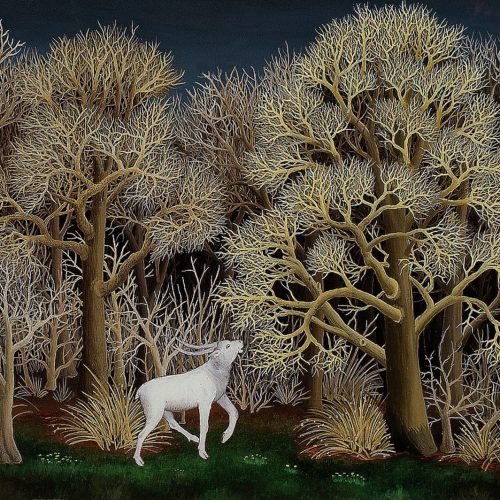
Deer in the Forest, Ivan Generalic (1956)
Spiritualized – “200 Bars”
Lazer Guided Melodies
Before the noisy majesty of Ladies & Gentlemen We Are Floating In Space and the overwrought gospel of Let It Come Down, Spiritualized was straight-up psychedelic rock, lapsing into shoegaze (as you do) and generally maintaining a gauzy, spacey feeling for the length of entire albums. Lazer Guided Melodies is a great example of this, and “200 Bars” is impeccable, with its deliberate pacing and soft layers of jangly psych harmony. She does, in fact, count all the way to 100 before the song “starts.” I love it.



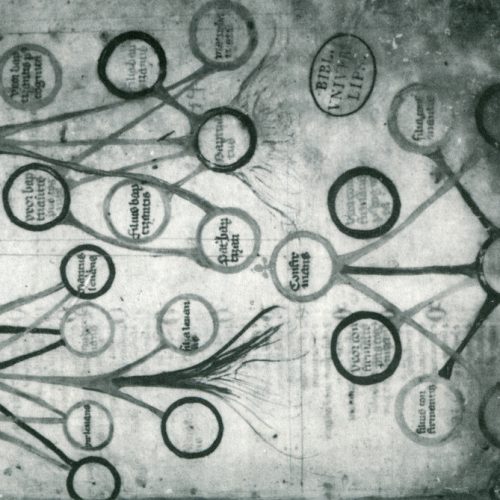
Arbor Cognationis Spiritualis (14th c.)
If a man have neither wife nor other to rule his household, know you how it is with the house? I know, and will tell you. If he be rich, and have plenty of grain, the sparrows and the moles eat their fill thereof. It is not set in order, but all so scattered abroad that the whole house is the fouler for it. If he have oil, it is all neglected and spilt; when the jars break and the oil is spilled, he casts a little earth on the spot, and all is done! In his bed, know you how he sleeps? He lies in a pit, with the sheets as they chance to have tumbled upon the bed; and they are never changed until they are torn. Even so in his dining-hall; here on the ground are melon-rinds, bones, and salad leaves, everything left lying on the ground without pretense of sweeping. He wipes the trenchers off; the dog licks them; so they are washed. His pipkins are all foul with grease: go and see how they stand! Know you how such a man lives? —even as a brute beast.
St. Bernardino
Sent from F. Scott Fitzgerald to his young daughter
Sent from F. Scott Fitzgerald to his young daughter
Things to worry about:
Worry about courage
Worry about cleanliness
Worry about efficiency
Worry about horsemanship
Things not to worry about:
Don’t worry about popular opinion
Don’t worry about dolls
He who does not turn up the earth with the plough ought to write the parchment with his fingers.
St. Ferreol


The Beatles – “I Feel Fine (Instrumental/Warmup)”
Studio Sessions 1964 (Bootleg)
This is takes 6 and 7 of the 9-take recording of “I Feel Fine”; take 6 is without vocals and is just pure jangly rhythm. Of course, in a way, it’s just “I Feel Fine” without the voice track. But it’s more than that, and it’s a hell of a lot of fun. Beatles ephemera tracks are always fun.
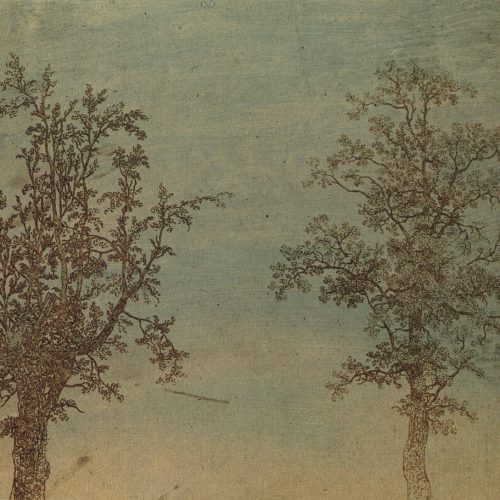
The Two Trees (Hercules Seghers, c.1620)
He made no pretentions to botany, and knew nothing of groups or classification; he did not care in the least to decide between Tournefort and the natural method; he took no part, either for the utricles or against the cotyledons, or for Jussieu against Linnaeus. He did not study plants, he loved flowers. He had much respect for the learned, but still more for the ignorant; and, while he fulfilled his duty in both these respects, he watered his beds every summer evening with a tin watering-pot painted green.
Les Miserables
The Food of the Gods (H.G. Wells, 1904)
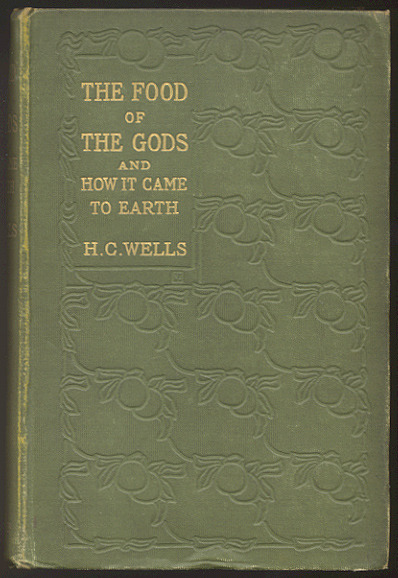
One of Wells’ lesser-read (not to say obscure) works, The Food of the Gods is an enjoyable but perplexing book. The premise is simple enough: a pair of scientists invent a substance that causes life to grow much larger than normal, the explanation being that growth is naturally punctuated because of the sporadic presence of this substance, which if supplied artificially causes continual expansion. A neat and adaptable concept, and he explores its implications in several directions, yet the theme and overarching idea of the book is elusive. Is it a parable? Is it a lark? Is it a warning? And if so, to whom?
The most off-putting aspect of the book is its varying tone. It’s like a Hollywood blockbuster that tries to be both tragic and comic. This doesn’t always work out. At least with The Food of the Gods the tone changes more or less continually from jaunty and light to serious and subversive. And in the end you get the feeling that the story had become something it was never meant to be – but which Wells probably found unavoidable given its trajectory.
For conduct which to clearer minds seems merely sane, was in those days to be performed only by rare vision and self-mastery.
Olaf Stapledon, Last and First Men
Clams Casino – “What You Doin”
Instrumental
Walking the line between electronic ephemera and lushly produced hip-hop, this record is a great example of hybrid vigor. The deep beats are decidedly bass-heavy and urban, but the ghostly samples and full-spectrum atmospherics are more like Cut Copy crossed with Tim Hecker. The drums are a melange: the last track, “13,” combines a metronomic high hat from the 80s with a thunderous bass from the mid-2000s, with an old school clap that makes you think it’s going to drop into a house spiral at any moment. And then you’ve got this track, like a drugged, gauzy trip to a slow-motion dance floor. Where did this come from? (insound)